Mar 13, 2026
What Is a Digital Transformation Roadmap? A Practical Guide for Business Leaders
Digital Transformation
Business Strategy
Technology Roadmap
A practical roadmap helps leaders connect technology investment to business value, operating model change, and measurable execution.
Digital transformation often fails to deliver its full potential because companies begin with tools instead of direction. They buy platforms, automate isolated processes, launch new websites, or migrate systems to the cloud without first defining how the business should operate differently. The result is a portfolio of digital projects that may look impressive but does not necessarily improve competitiveness.
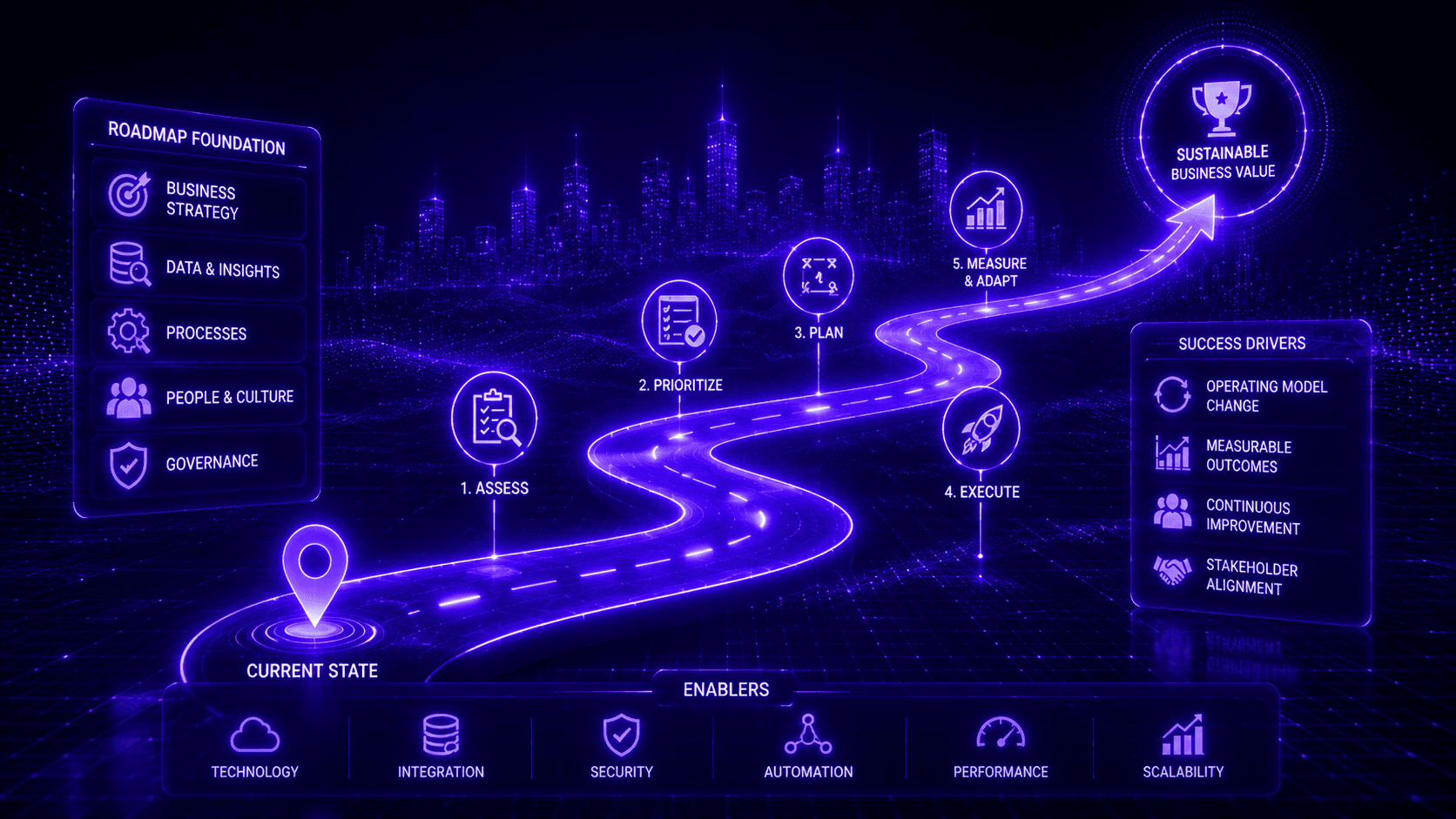
A digital transformation roadmap solves this problem by creating a structured path from business ambition to execution. It defines where the organization is today, where it needs to go, which capabilities must be built, which systems and data are required, which people must be involved, and how progress will be measured.
McKinsey describes digital transformation as the rewiring of an organization to create value through technology deployed at scale.1 This definition is useful because it shows that transformation is not a single IT project. It is a coordinated business change program.
What a Digital Transformation Roadmap Is?
A digital transformation roadmap is a practical plan for changing how a company uses technology, data, processes, and people to create business value. It translates strategy into a sequence of initiatives, timelines, responsibilities, and outcomes.
A good roadmap does not only list software projects. It explains why each initiative matters, what business problem it solves, which teams are affected, what dependencies exist, and how success will be measured.
Roadmap Component | Purpose | Example |
|---|---|---|
Business objectives | Defines the value transformation should create | Reduce customer response time, improve sales conversion, lower operating cost |
Current-state assessment | Identifies gaps, risks, and inefficiencies | Legacy systems, duplicated data, manual approvals |
Future-state vision | Describes how the business should operate | Connected customer journey, real-time reporting, automated workflows |
Initiative portfolio | Converts ambition into workstreams | CRM improvement, finance automation, analytics dashboard, AI support assistant |
Prioritization | Orders work by value, urgency, and feasibility | Start with invoice automation before advanced AI forecasting |
Governance | Defines ownership and decision rights | Steering group, project owners, data owners |
Metrics | Measures progress and business impact | Cost reduction, cycle time, adoption rate, revenue impact |
The roadmap is therefore both a planning tool and a leadership tool.
Why Business Leaders Need a Roadmap
Without a roadmap, digital transformation becomes reactive. Teams respond to urgent problems, vendor proposals, competitive pressure, or internal requests without a shared view of priorities. This creates duplicated spending, fragmented systems, and inconsistent data.
A roadmap helps leadership make better decisions. It shows which investments should happen first, which dependencies must be solved, and which initiatives should wait. It also helps prevent technology from being implemented without adoption, governance, or process redesign.
For SMEs and growing companies, this discipline is especially important. Smaller companies often have limited budgets and lean teams. They cannot afford to invest in tools that do not connect to business outcomes. A roadmap helps them focus on the initiatives that create the greatest practical impact.
Leadership principle: A digital transformation roadmap should not answer only “what technology should we use?” It should answer “what business capability must we build?”
The Six Stages of a Practical Roadmap
A strong roadmap can be structured into six stages. Each stage should produce a clear output that supports the next decision.
Stage | Key Question | Output |
|---|---|---|
1. Strategic alignment | What business outcomes must transformation support? | Transformation objectives and success metrics |
2. Current-state assessment | What is slowing the business down today? | Process, system, data, and capability gap analysis |
3. Future-state design | How should the business operate differently? | Target operating model and digital capability map |
4. Initiative prioritization | What should be done first? | Ranked portfolio of transformation initiatives |
5. Implementation planning | Who will do what, by when, and with which tools? | Timeline, ownership model, budget, and dependencies |
6. Measurement and scaling | How will value be proven and expanded? | KPI dashboard, adoption plan, and continuous improvement process |
This structure keeps transformation practical. It also helps leaders avoid the common mistake of trying to change too much at once.
How to Prioritize Digital Initiatives
Prioritization is one of the most important parts of the roadmap. A company may have many possible initiatives: a new CRM, better analytics, workflow automation, customer portal, cloud migration, cybersecurity improvement, AI assistant, or website redesign. Not all should be done at the same time.
The best prioritization method compares business value with implementation effort. High-value, low-to-medium-effort initiatives should usually come first because they create momentum. High-value, high-effort initiatives may be strategic, but they require stronger governance and planning. Low-value initiatives should be delayed or removed.
Initiative Type | Priority Level | Recommended Action |
|---|---|---|
High value, low effort | Very high | Start quickly and use as a proof point. |
High value, high effort | Strategic | Plan carefully with leadership sponsorship. |
Medium value, low effort | Useful | Use to improve adoption and quick wins. |
Low value, high effort | Low | Avoid unless required for compliance or dependency. |
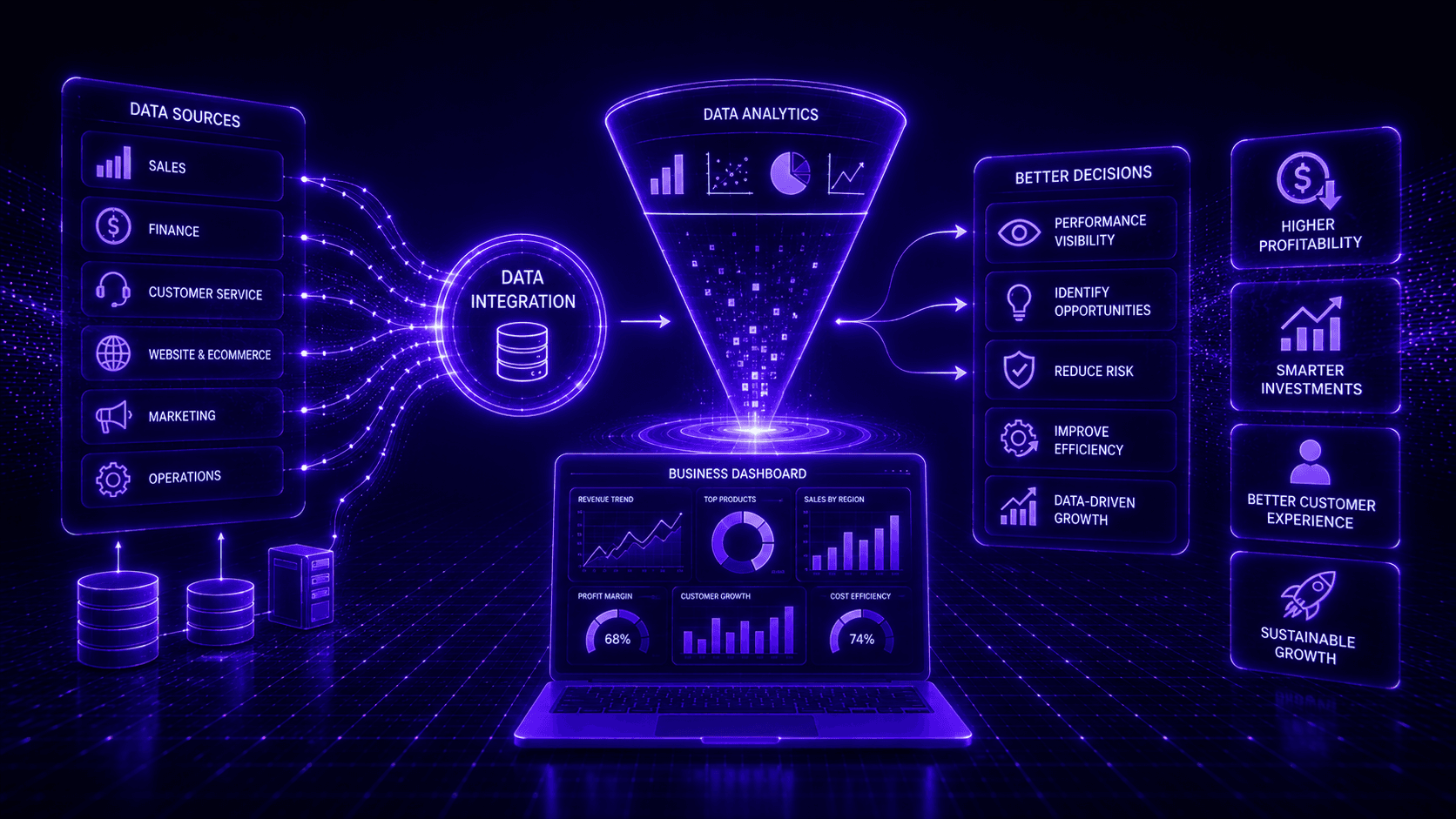
Prioritization should also consider dependencies. For example, a company may want advanced AI reporting, but it may first need clean data, integrated systems, and consistent definitions across departments.
The Role of AI in the Roadmap
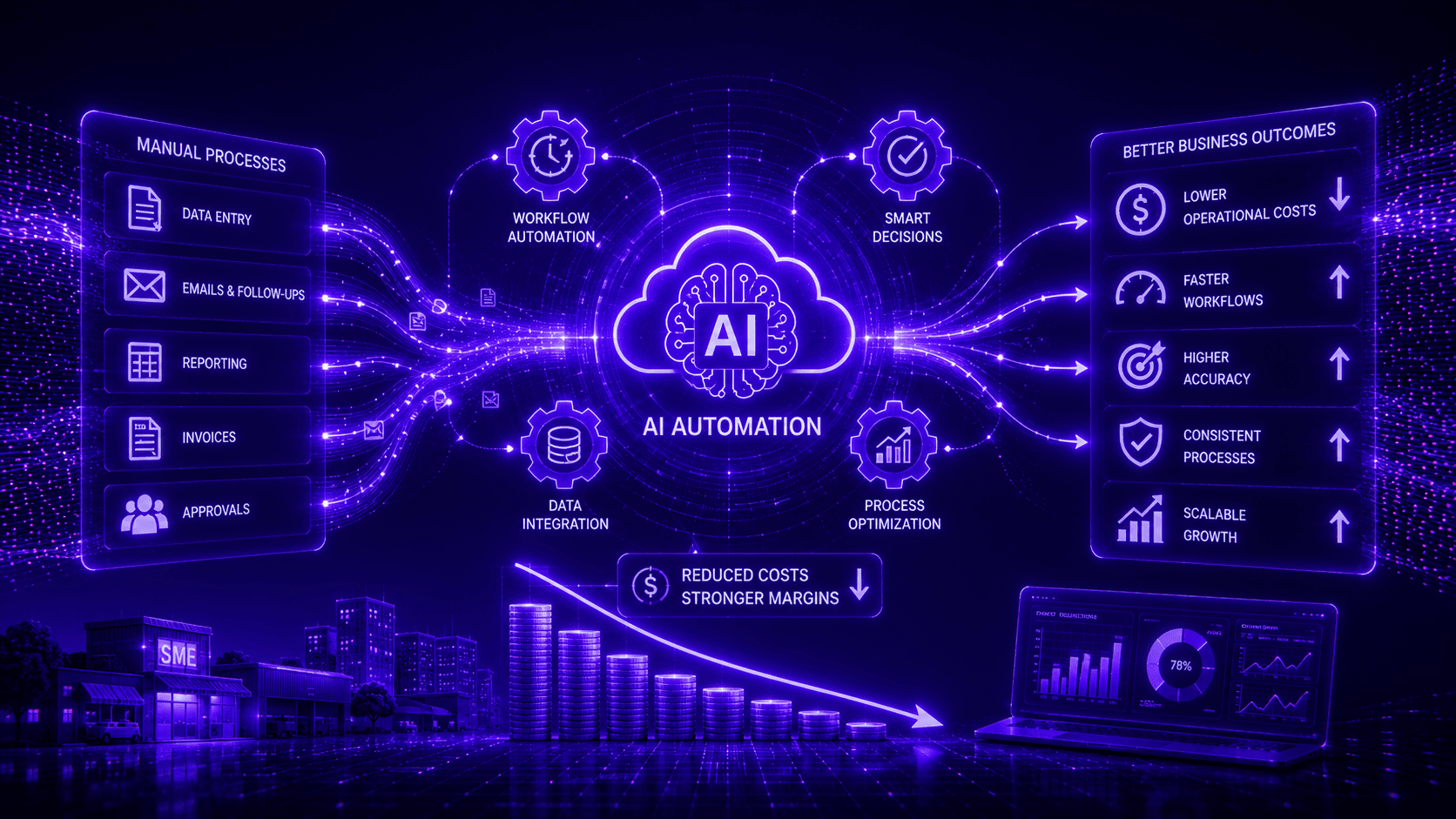
AI should be included in modern transformation planning, but it should not be treated as a separate experiment disconnected from the operating model. Deloitte’s enterprise AI research emphasizes that organizations are moving from ambition to activation and that value depends on governance, data readiness, workforce preparation, and workflow redesign.
This means AI belongs inside the roadmap, not outside it. Leaders should identify where AI can improve decision-making, automate repetitive work, personalize customer experiences, or create new services. They should also define where human oversight is required, how AI outputs will be reviewed, and how data quality will be maintained.
AI is most valuable when it supports a defined business capability. For example, an AI customer support assistant should be connected to service workflows, knowledge management, escalation rules, and reporting. An AI sales assistant should connect to CRM quality, lead qualification, and follow-up processes. An AI analytics solution should connect to trusted data sources and management decisions.
Common Roadmap Mistakes
The most common roadmap mistake is making the plan too technical. If the roadmap is written only in software names and implementation tasks, business leaders may struggle to understand the value. A better roadmap connects every initiative to business outcomes.
Another mistake is ignoring change management. Digital transformation changes how people work. Employees need training, communication, support, and clarity. If the roadmap does not include adoption planning, the organization may implement new systems that people do not use properly.
A third mistake is weak governance. Transformation requires decisions about budget, scope, data ownership, risk, security, vendors, and priorities. Without governance, projects can drift, duplicate, or compete with each other.
Mistake | Consequence | Better Practice |
|---|---|---|
Tool-first roadmap | Technology without measurable value | Begin with business outcomes. |
Too many initiatives | Slow execution and weak focus | Prioritize by value, urgency, and feasibility. |
No adoption plan | Low usage and employee resistance | Include training, communication, and feedback. |
Poor data ownership | Inconsistent reporting and AI limitations | Define data owners and quality standards. |
Weak executive sponsorship | Transformation becomes an IT project | Make it a leadership agenda. |
Conclusion
A digital transformation roadmap is not a document created for presentation. It is a management system for change. It helps leaders connect technology to value, prioritize investment, manage complexity, and build the operating capabilities required for long-term competitiveness.
For business leaders, the most important point is simple: digital transformation should not begin with a tool. It should begin with a clear view of where the business must improve and how digital capabilities can help create that improvement.
Tech Hosters helps companies assess their current digital maturity, design practical transformation roadmaps, and implement technology solutions that support measurable business outcomes. Explore our Digital Transformation, AI & Automation, and Data Analytics services, or contact us to discuss your roadmap.